Sexual Health
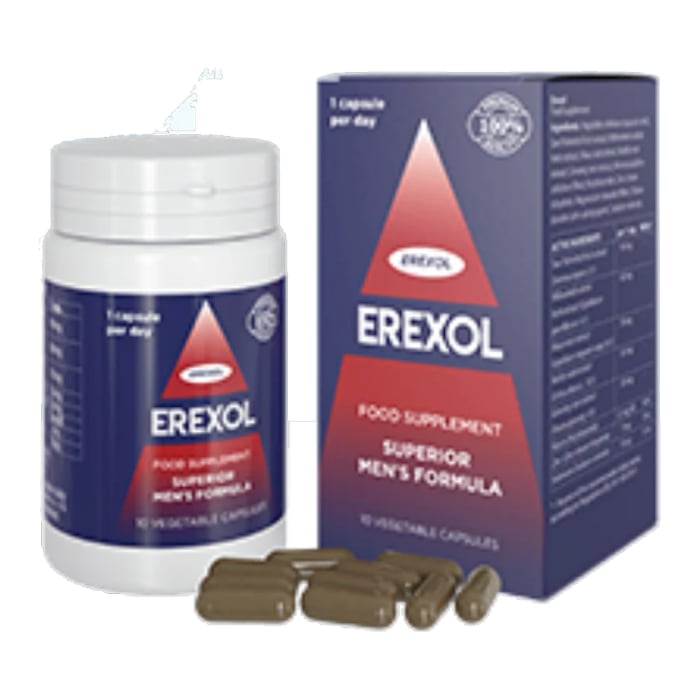
Erexol
Male vitality capsules — one a day, four declared plant extracts.
See details & price →Serenoa repens
Research ongoing
The most-sold prostate botanical in the world. European studies of lipidosterolic extracts reported symptom improvement, extract type is what the research still turns on, and tolerability across the literature is consistently good.
Relevant to: Prostate Health
Saw palmetto berries yield a lipid-rich extract containing free fatty acids and phytosterols. The proposed mechanisms are inhibition of 5-alpha reductase (reducing conversion of testosterone to DHT in prostate tissue), anti-inflammatory activity, and alpha-adrenergic effects on bladder neck smooth muscle. All three are plausible and all three have in-vitro support.
All three act on the same tissue, and that convergence is why saw palmetto has stayed the first botanical men reach for when urinary comfort is the issue.
Dose and duration are settled. The clinical literature is built on 320 mg a day — 160 mg twice daily or a single 320 mg capsule — taken for at least three months, which is the schedule to expect from any serious formula.
Tolerance at high doses is documented. The STEP programme (New England Journal of Medicine, 2006) ran 160 mg twice daily for a full year, and CAMUS (JAMA, 2011) escalated to 960 mg daily over 72 weeks — three times the standard dose — which is why the usual 320 mg sits comfortably inside the studied range.
Extract type is what the literature turns on. European studies of lipidosterolic extracts standardised to 85–95% fatty acids reported improvement in urinary symptom scores, and researchers point to the pharmacokinetic difference between those extracts and the hexane preparations used elsewhere. It is the reason the extract type on the label matters more here than the milligram figure.
**A meta-analysis restricted to hexanic Serenoa repens extract** also reported symptom improvement, which is why the extract name on the pack — Permixon and comparable lipidosterolic preparations — is the detail worth looking for.
Researchers who defend saw palmetto point out that STEP and CAMUS used a hexane-extracted preparation, while much of the positive European evidence used specific lipidosterolic extracts such as Permixon, with a different fatty acid profile. A separate meta-analysis restricted to hexanic Serenoa repens extract reported symptom improvement.
Extract-specific effects are real in phytotherapy, and this is the clearest example of why a label needs to name the extract. A pack that states "lipidosterolic extract, 85–95% fatty acids, 320 mg" is telling you it was built on that research; one that states only "saw palmetto 320 mg" is leaving the question open.
Saw palmetto is well tolerated — side effects in trials were no more frequent than with placebo, with mild gastrointestinal upset the most common. It does not meaningfully lower PSA, unlike finasteride and dutasteride which roughly halve it, so it does not distort cancer screening in the same way.
For a man with mild symptoms it is a low-risk place to start, and the 320 mg lipidosterolic form is the one to choose. Moderate or severe symptoms deserve a urology assessment as well — a supplement belongs alongside that conversation, where alpha blockers and 5-alpha reductase inhibitors are the prescription options.
Products on this site with Saw Palmetto on the label. The amount per serving is printed by each manufacturer on the pack.
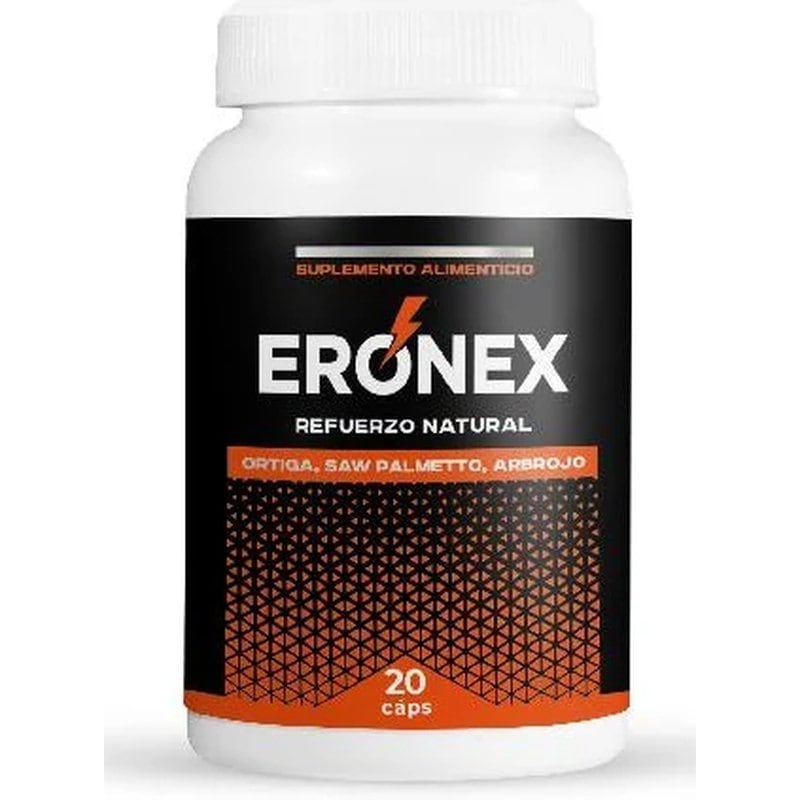
Male vitality capsules — one a day, four declared plant extracts.
See details & price →Three botanicals printed on the bottle itself — nettle, saw palmetto, tribulus.
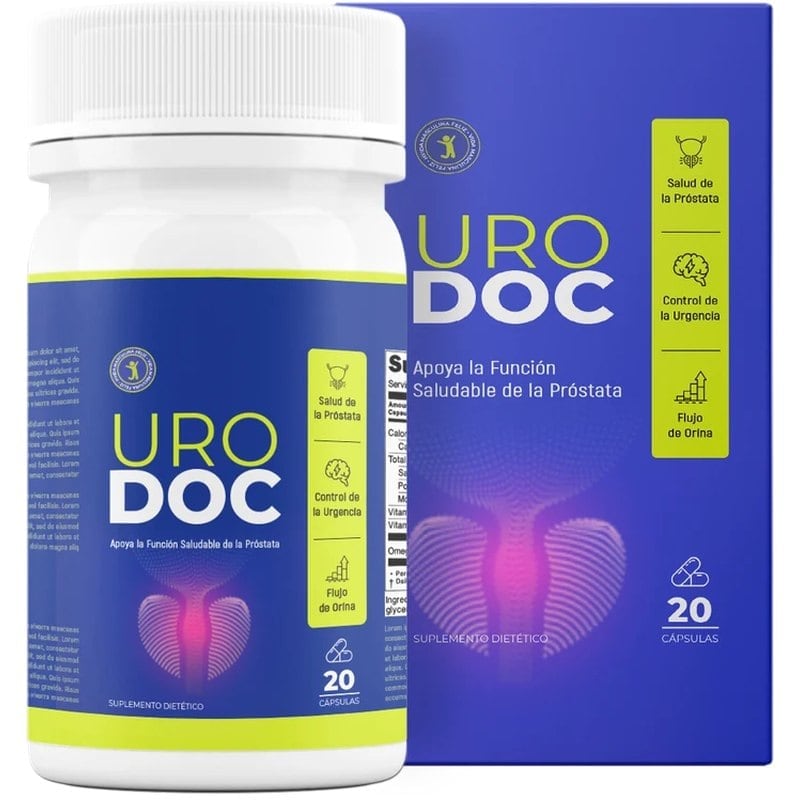
See details & price →Pumpkin seed, saw palmetto and nettle root, the trio this category is built on, in one 20-capsule jar.
See details & price →Prostate-support capsules reviewed for francophone West Africa.
See details & price →Prostate-comfort capsules for Turkey: saw palmetto, nettle root, zinc, lycopene and selenium.
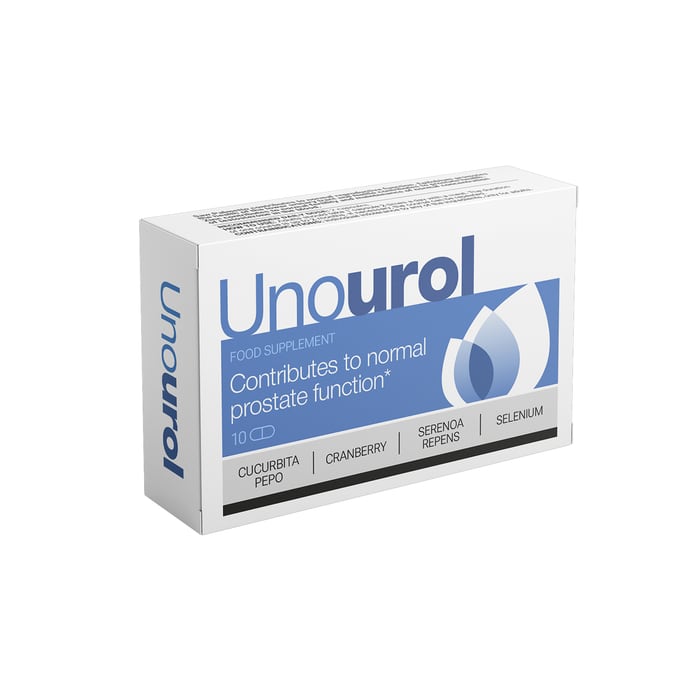
See details →Pumpkin seed, cranberry, saw palmetto and selenium in a 10-capsule box, ordered in Finland.
See details & price →It is taken to support urinary comfort. European studies of lipidosterolic extracts standardised to 85–95% fatty acids reported improvement in symptom scores; that extract type, at 320 mg a day, is the form the research is built on.
Not meaningfully, unlike finasteride and dutasteride which roughly halve PSA. Still tell the clinician ordering the test everything you are taking.
Yes, by supplement standards. In controlled trials adverse events were no more frequent than with placebo, with mild gastrointestinal upset the most commonly reported.
Behavioural measures work with it — easing off evening fluids, caffeine and alcohol. Moderate or severe symptoms warrant a urology assessment as well, where alpha blockers and 5-alpha reductase inhibitors are the prescription options.