Sexual Health
MAXXFORCE
Ayurvedic-profile vitality capsules reviewed for India.
See details & price →Tribulus terrestris L.
Research ongoing
The most widely used botanical in men’s formulas worldwide. Human studies at 750–1,500 mg report a signal for libido and sexual function, and the saponin percentage on the label is what separates one extract from another.
Relevant to: Sexual Health · Testosterone
Tribulus entered Western supplementation through Eastern European sports science in the 1970s and 80s, on the back of Bulgarian research reported in non-peer-reviewed literature. The active class is steroidal saponins, principally protodioscin, and the proposed mechanism was that protodioscin raises luteinising hormone, which in turn raises testosterone.
Animal work appeared to support this. A frequently cited primate study reported increased testosterone after intravenous administration of tribulus extract. Intravenous dosing in macaques differs from oral capsules in men, so the human studies below are the better guide.
Sexual function is where the signal sits. Trials in men with reduced libido or erectile difficulty report improvement in IIEF scores at doses around 750–1,500 mg per day of standardised extract, and a trial in menopausal women reported improved sexual desire. Both point to an effect that runs through proposed nitric-oxide and central pathways.
The dose range is well mapped. Controlled studies have used 250 mg to 1,500 mg per day of standardised extract over four to eight weeks — the range commercial formulas are built around, which is why a daily amount in that band is a reasonable thing to look for on a label.
Tolerance in those studies was good. Across the trial literature, including work in elite athletes and in resistance-trained men, tribulus at these doses was well tolerated over the study periods.
Recognition, price and a long record of traditional use in Ayurvedic and Chinese practice. Tribulus extract is affordable, men recognise the name, and it carries centuries of use behind it. It is often the largest single component by weight in a blend for exactly those reasons.
Standardisation is also weak in practice. Protodioscin content varies enormously by plant part, geographic origin and season — Bulgarian and Turkish material is typically higher than Indian or Chinese. A label stating only "Tribulus terrestris 500 mg" without a saponin percentage tells you nothing about what is in the capsule.
Tribulus is generally well tolerated, but the safety record is not blank. There are published case reports of hepatotoxicity, nephrotoxicity and one case of seizure associated with tribulus-containing products, some involving very high doses. Cases of gynaecomastia and prostate enlargement have also been reported. Because it may affect blood glucose and blood pressure, people on medication for either should exercise caution.
Tribulus should not be used by men with hormone-sensitive conditions without medical advice, nor during pregnancy.
Products on this site with Tribulus Terrestris on the label. The amount per serving is printed by each manufacturer on the pack.
Ayurvedic-profile vitality capsules reviewed for India.
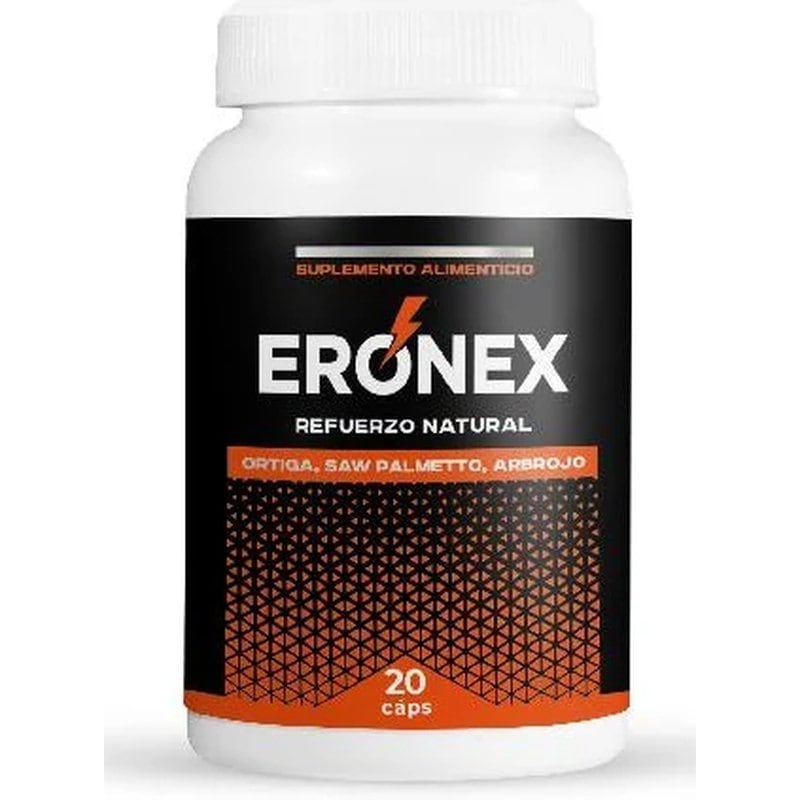
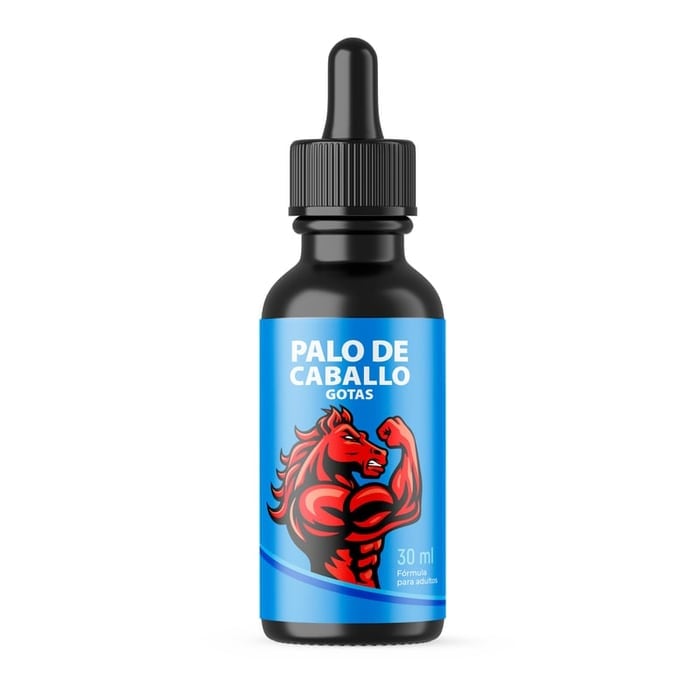
See details & price →Three botanicals printed on the bottle itself — nettle, saw palmetto, tribulus.
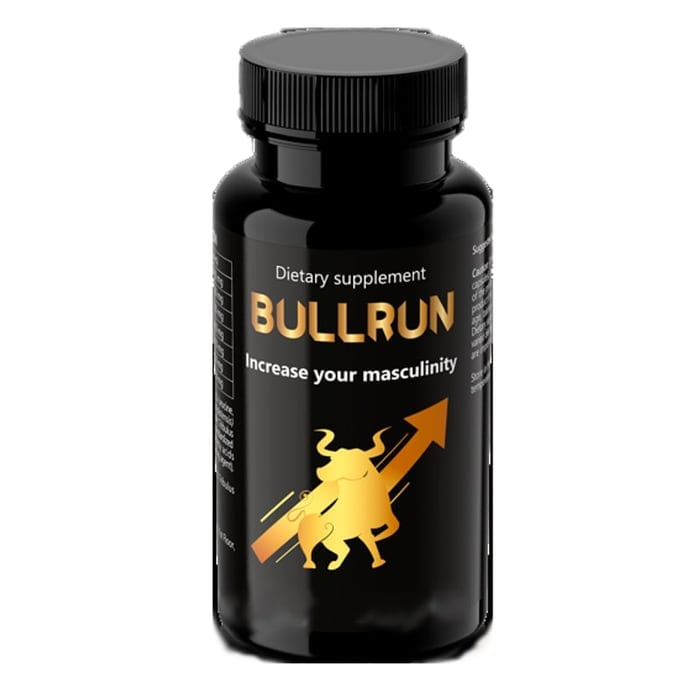
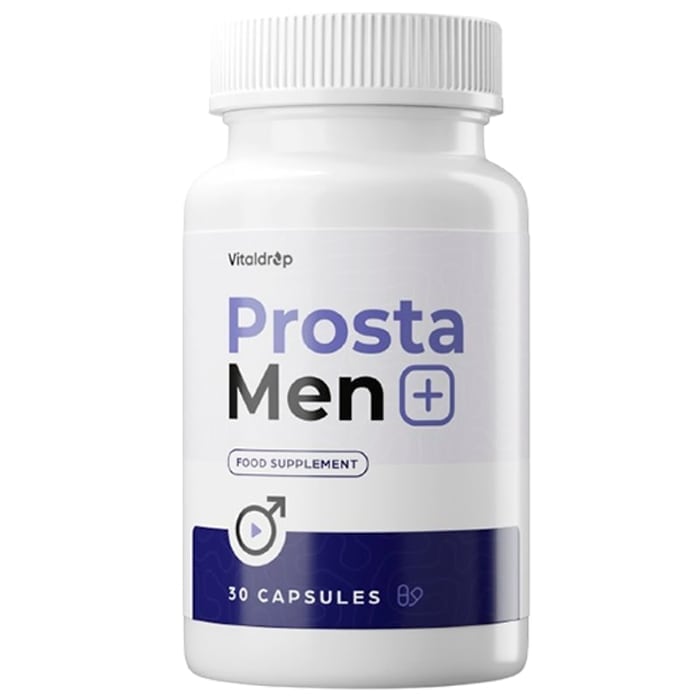
See details & price →Amino-acid led Polish formula with a fully published label.
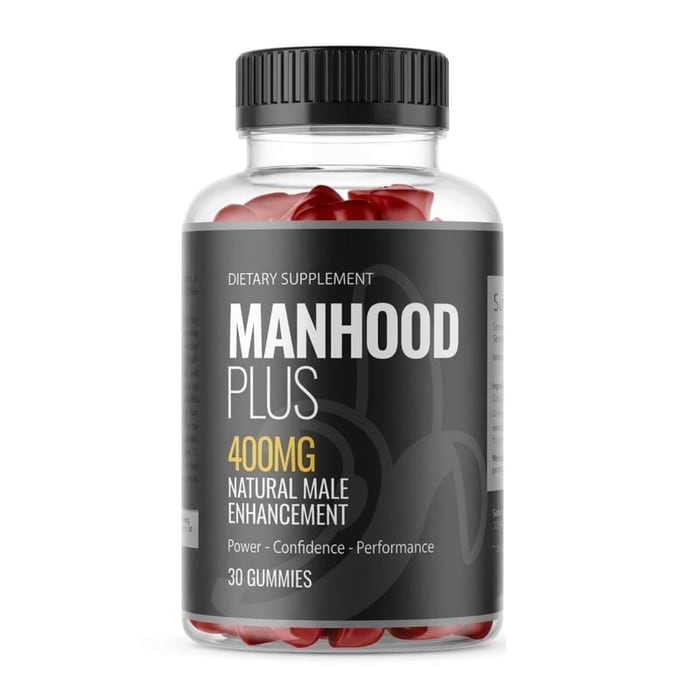
See details & price →The standard ingredient list in a gummy — the format men actually keep taking.
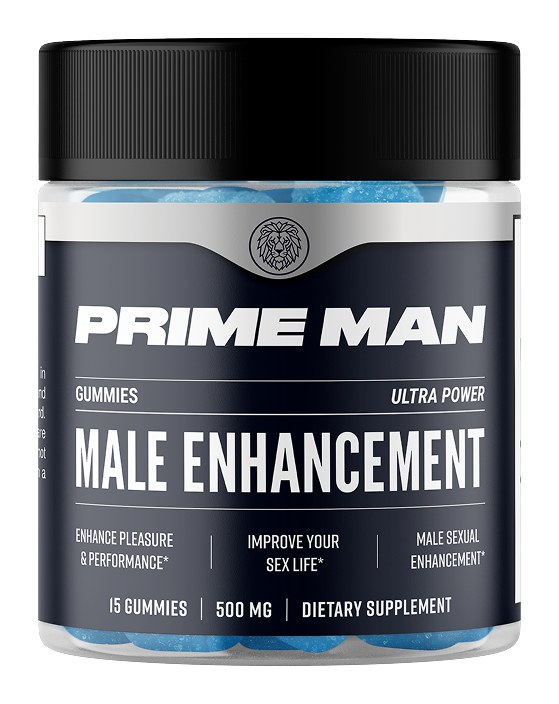
See details & price →Eight named actives in a gummy, sold in Canada — the broadest disclosed formula of its kind here.
See details & price →Tribulus, zinc, arginine and ginseng — a broad men’s vitality formula.
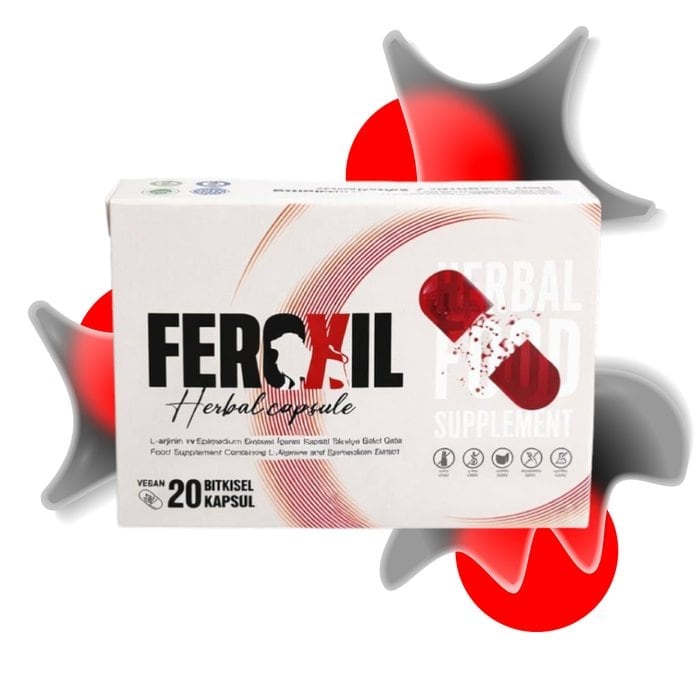
See details & price →A seven-ingredient Turkish herbal capsule led by L-arginine and epimedium, with ginseng, maca and çakşır root.
See details & price →For libido and sexual function. Studies at 750–1,500 mg per day of standardised extract report improvement in IIEF scores in men with reduced desire, through proposed nitric-oxide and central pathways rather than a hormonal one.
It is affordable, men recognise the name, and it carries a long record of traditional use. In blends it is frequently the bulk ingredient by weight — look for the saponin percentage on the label, not just the milligrams.
Some. Trials in men with erectile dysfunction and in women with low desire have reported improved sexual function scores at 750–1,500 mg per day. If real, the mechanism is not hormonal, since the same trials show no testosterone change.
Generally well tolerated, but there are case reports of liver and kidney toxicity associated with tribulus-containing products, mostly at high doses. It should be avoided by men with hormone-sensitive conditions unless a doctor advises otherwise.